What are we going to do with all this future?
This question has followed me across the places I’ve lived and the systems I’ve moved through. People make sense of change in their own ways — and those interpretations shape the futures they believe are possible.
For me, futures work isn’t prediction; it’s perspective. It’s noticing the assumptions we carry, the stories we inherit, and the choices that shape what comes next. My role is to bring clarity and intention to that process so people can begin answering the question for themselves.
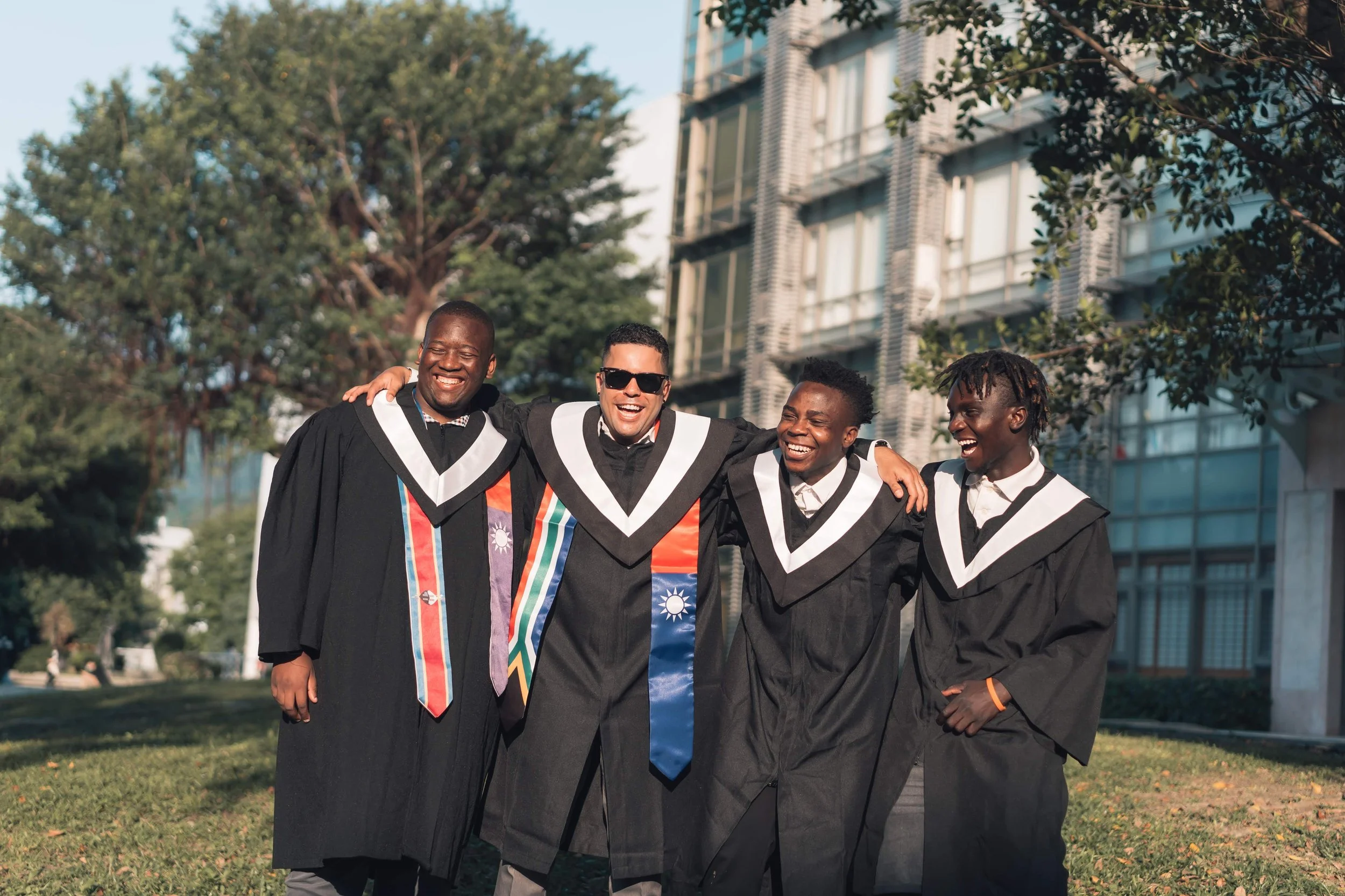
How I think and Work
I work at the intersection of strategy, systems thinking, and human behaviour. I’m interested in why we make the choices we do, how we interpret change, and what becomes possible when we challenge the stories we’ve inherited.
My practice is rooted in clarity, curiosity, and grounded optimism. I don’t do hype. I don’t sell certainty. I help people imagine and think better.
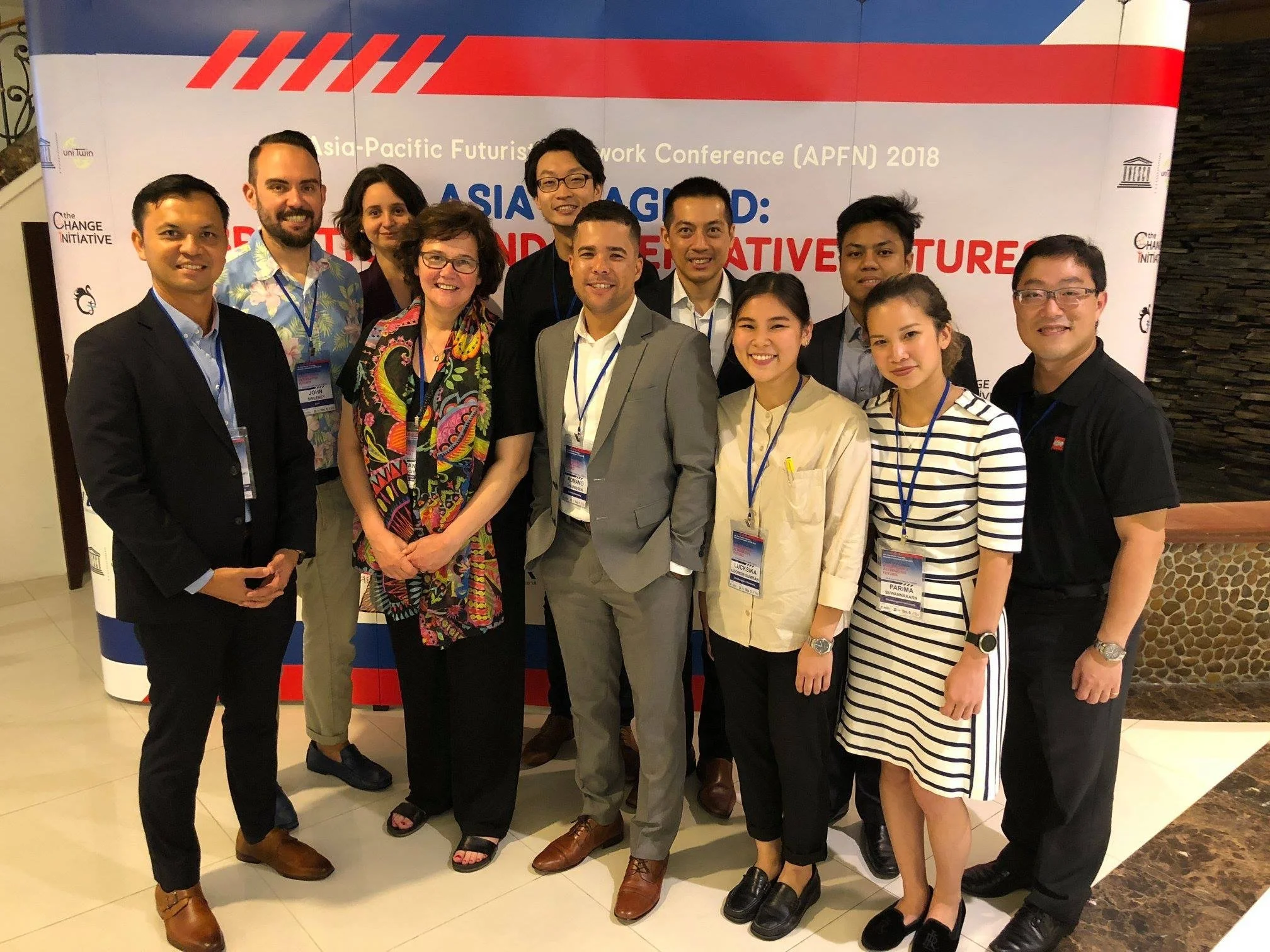
I’ve worked with UN agencies, governments, universities, international NGOs, and multinational teams across Asia, Africa, and the Middle East. Each context brings its own histories and expectations, yet a familiar question keeps surfacing: how do we imagine the futures we want, and begin moving toward them?
How My Background Shapes My Work
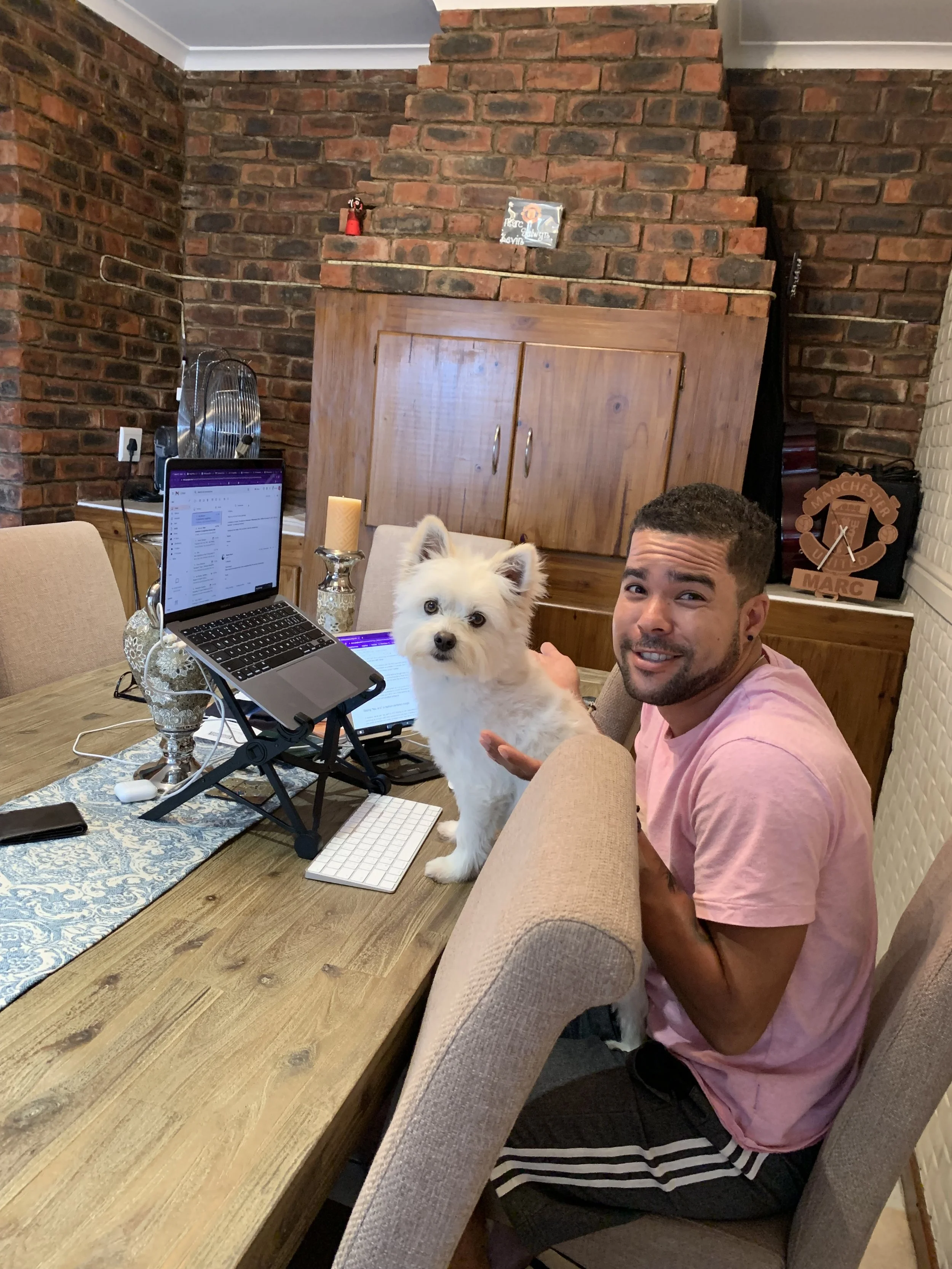
I grew up in South Africa during a period of deep transition — an experience that shaped my understanding of how power, policy, and possibility intersect. It instilled a lasting commitment to equity and a belief that transformational change is not only possible, it’s necessary.
I’ve since lived in six countries across the world. Moving between cultures, identities, and systems sharpened my awareness of how different groups understand the world, their pasts, and the futures they imagine.
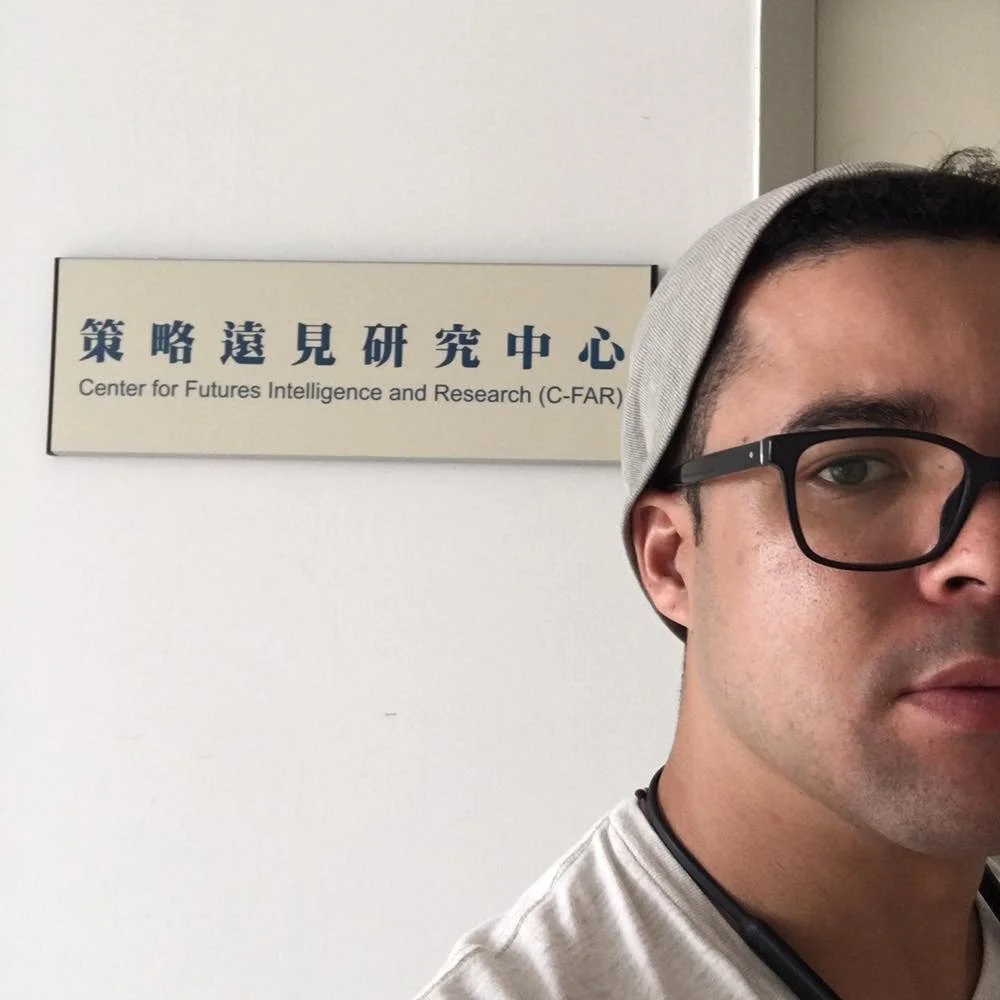
I studied Futures Studies formally under some of the field’s most influential thinkers. My practice has also been shaped by teaching, facilitation, cross-cultural collaboration, and years of working with teams navigating complexity. I’m drawn to the points where data meets story, where strategy meets culture, and where uncertainty meets opportunity.
My work integrates foresight with de-colonial and feminist perspectives, paying close attention to how power, narratives, and institutions shape what is considered possible. These lenses help me ask: whose future is being imagined, who holds power in that process, and what alternatives might lie beyond dominant stories?
How I Work With Clients
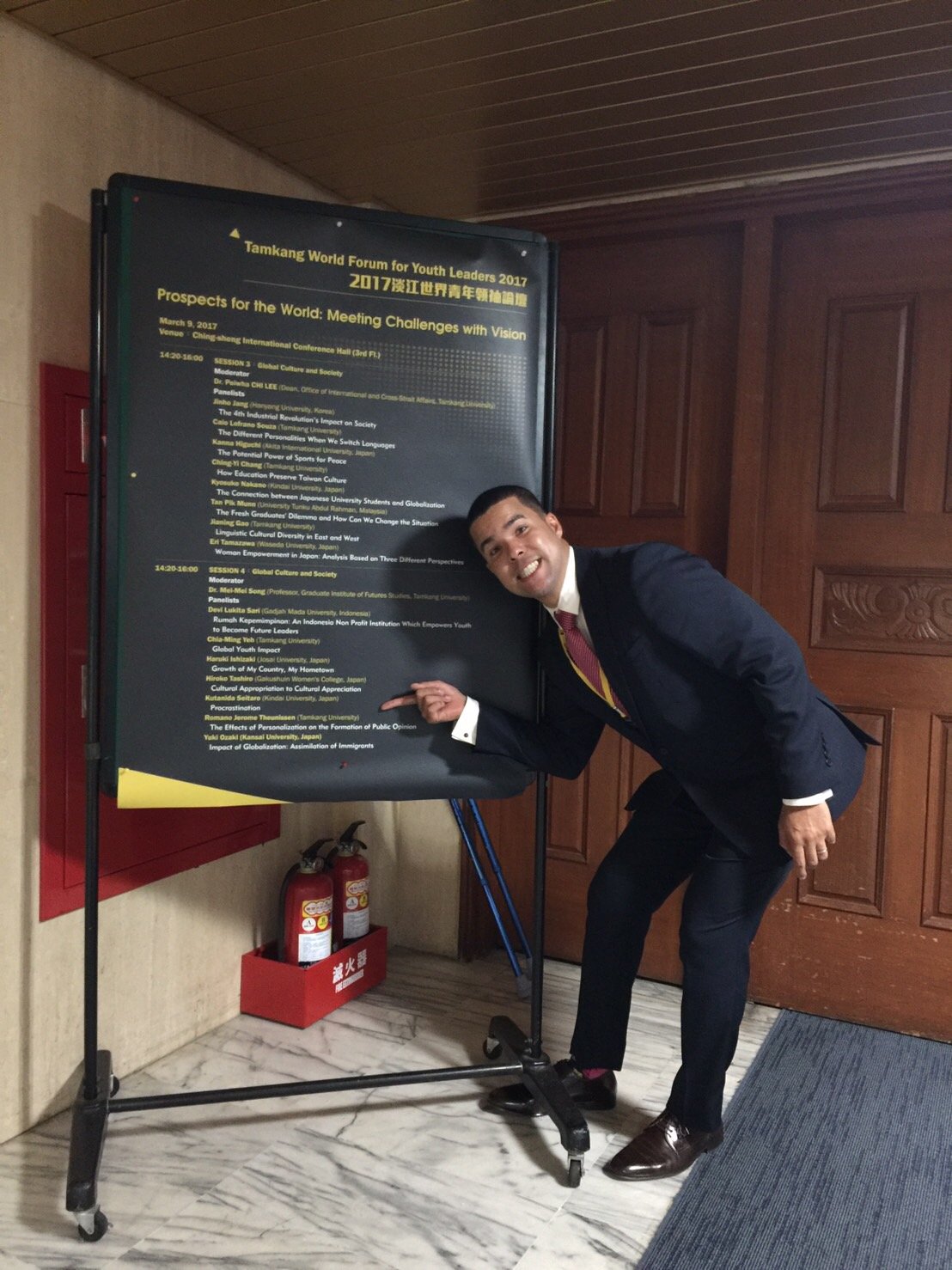
People describe my work as clear, challenging, and grounding. I’m not interested in jargon or performance. I focus on helping people and teams see their situation honestly, make sense of complexity, and build real capability.
I create spaces where groups can ask better questions, surface blind spots, test assumptions, and explore possibilities without losing sight of practical realities. The work is serious, but the environment doesn’t have to be heavy. I bring structure, psychological safety, and a sense of play into the room.
Most organizations don’t struggle with information; they struggle with perspective. Short-term pressures, inherited assumptions, and narrow decision-making get in the way. Teams trust me because I listen deeply, don’t rush to conclusions, and am willing to name uncomfortable truths when they matter. My role is not to impress — it’s to make things clearer.
Outside Work
When I’m not facilitating workshops, teaching, or working with teams, you’ll usually find me:
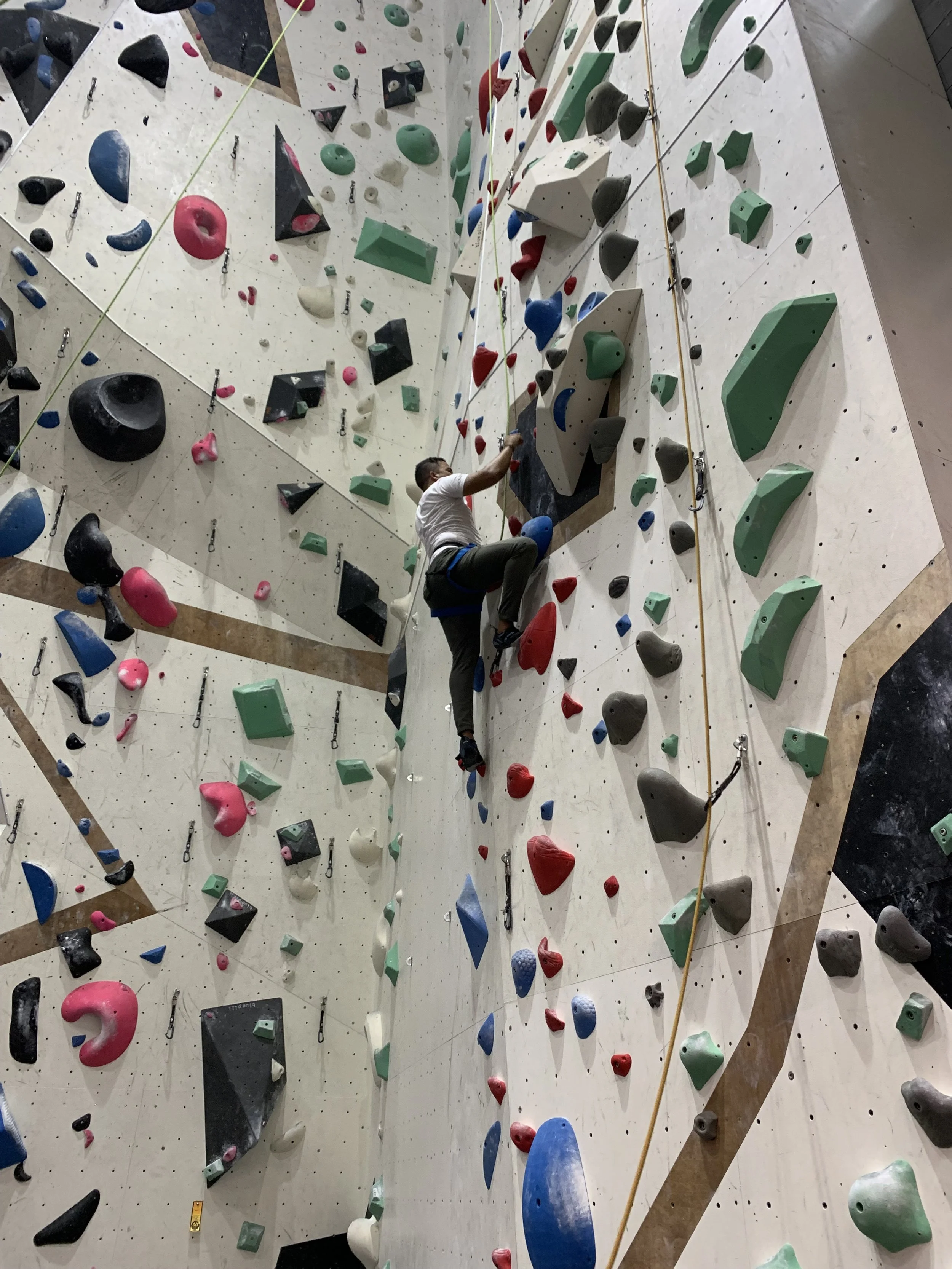
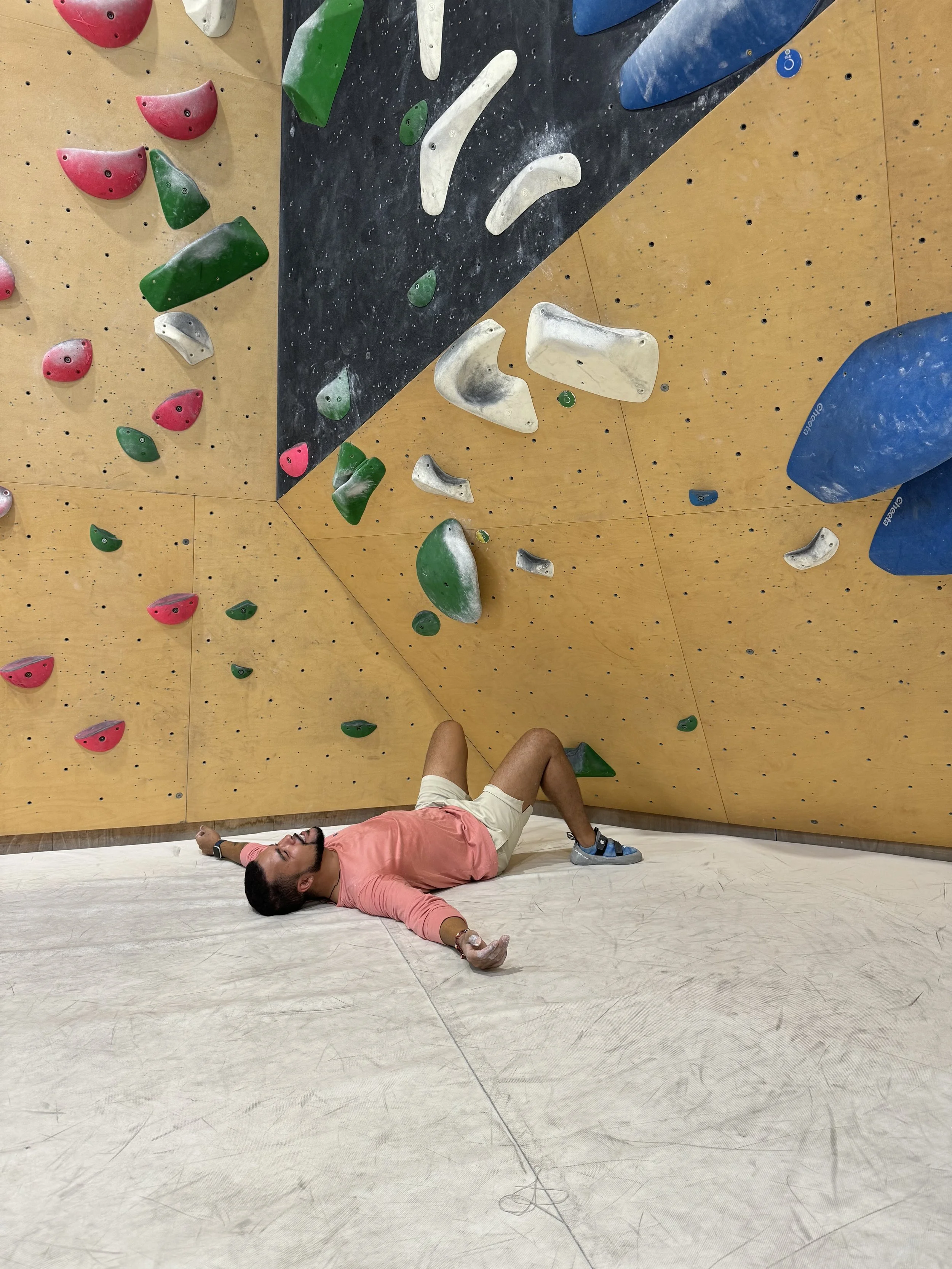
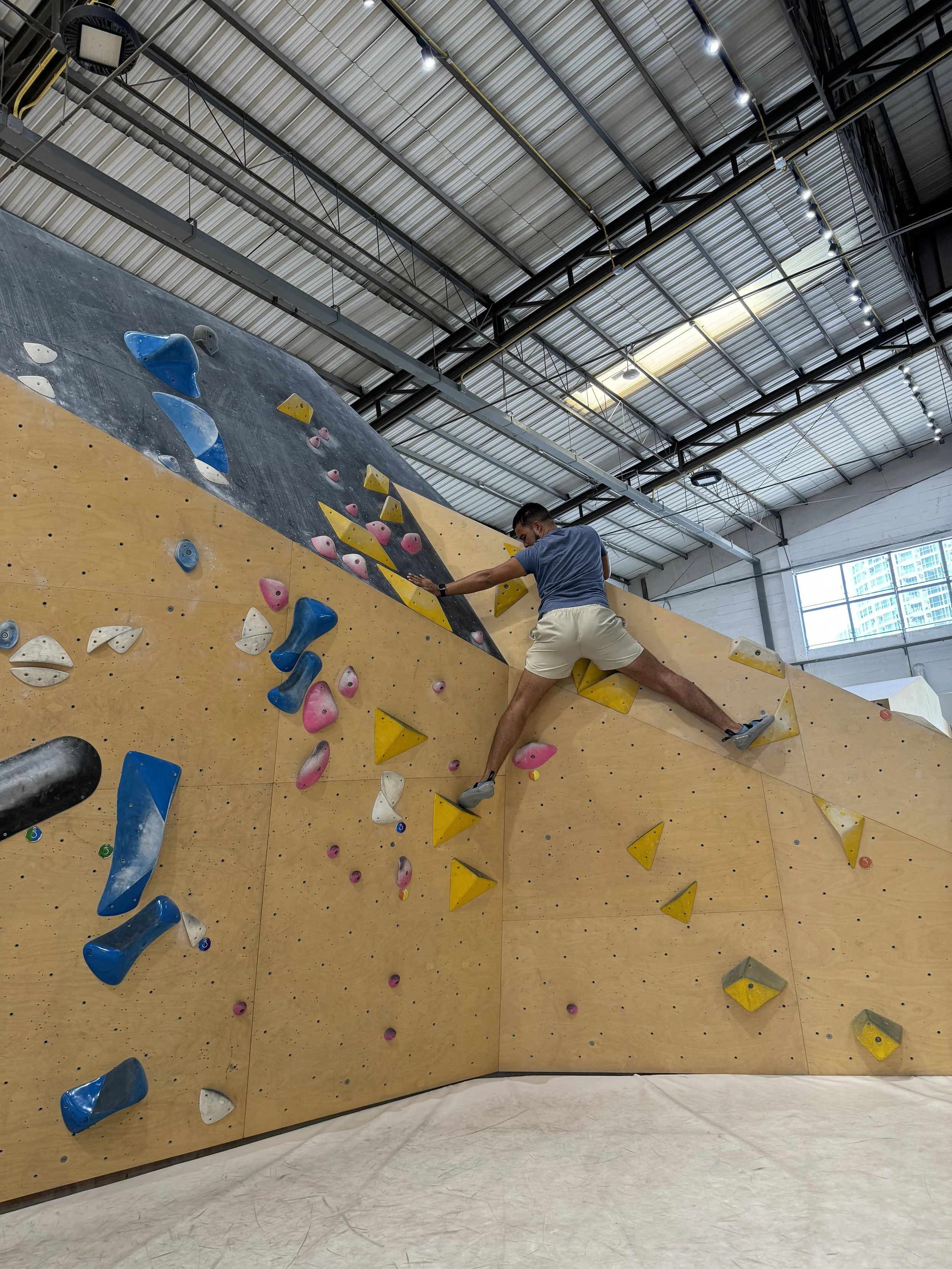
Falling off a climbing wall
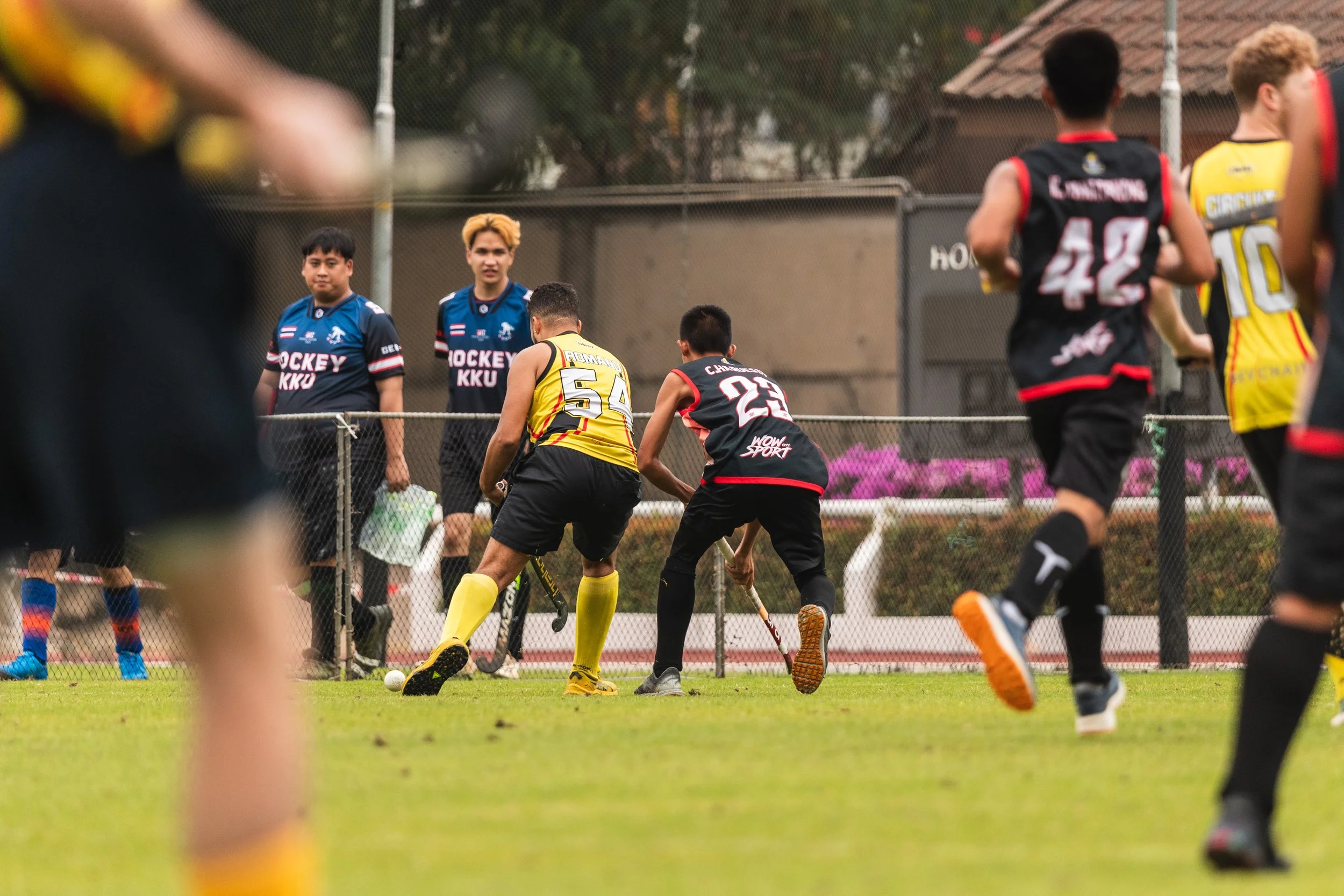
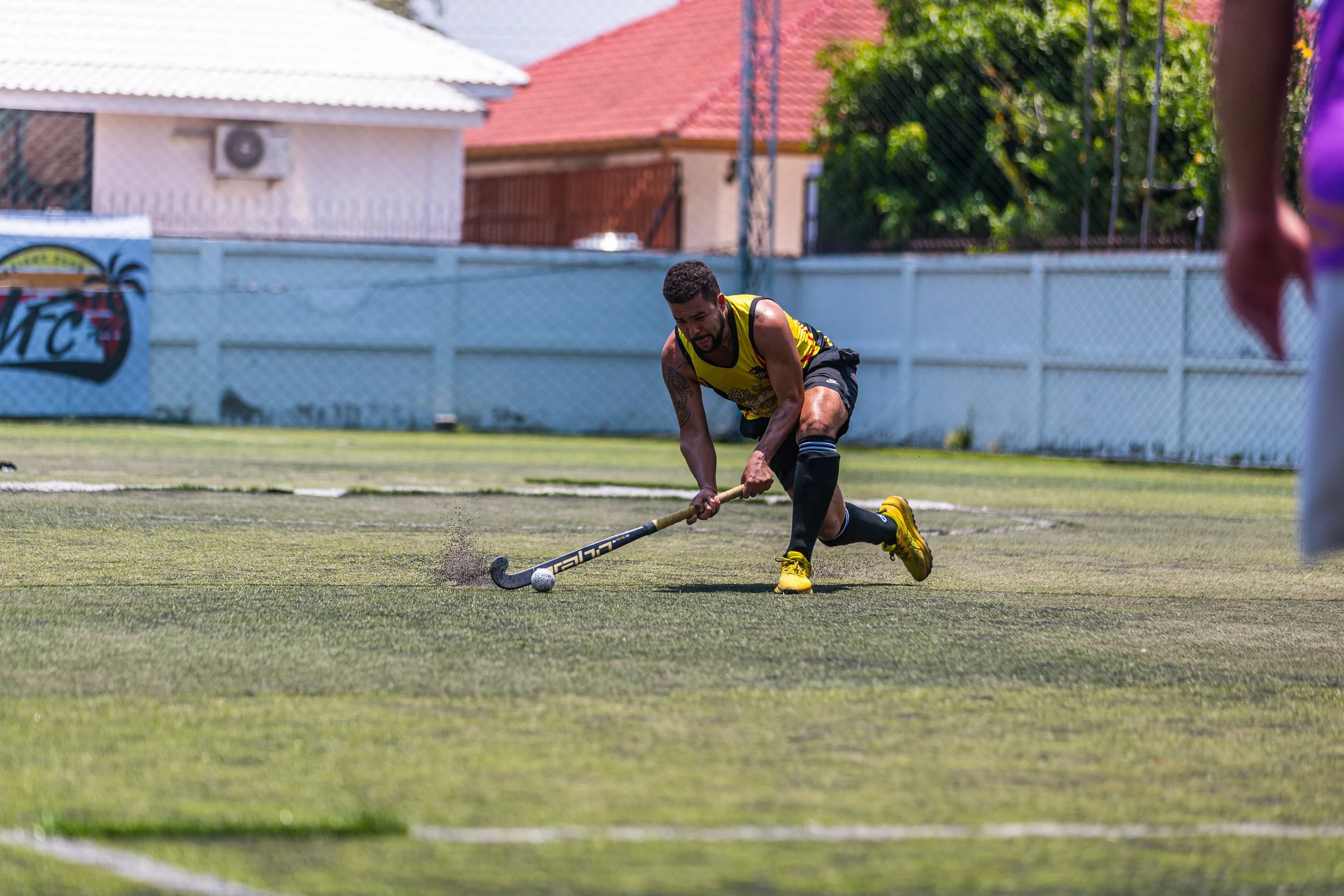
Chasing a ball across a hockey field
Listening to podcasts on politics, philosophy, sport, and current affairs
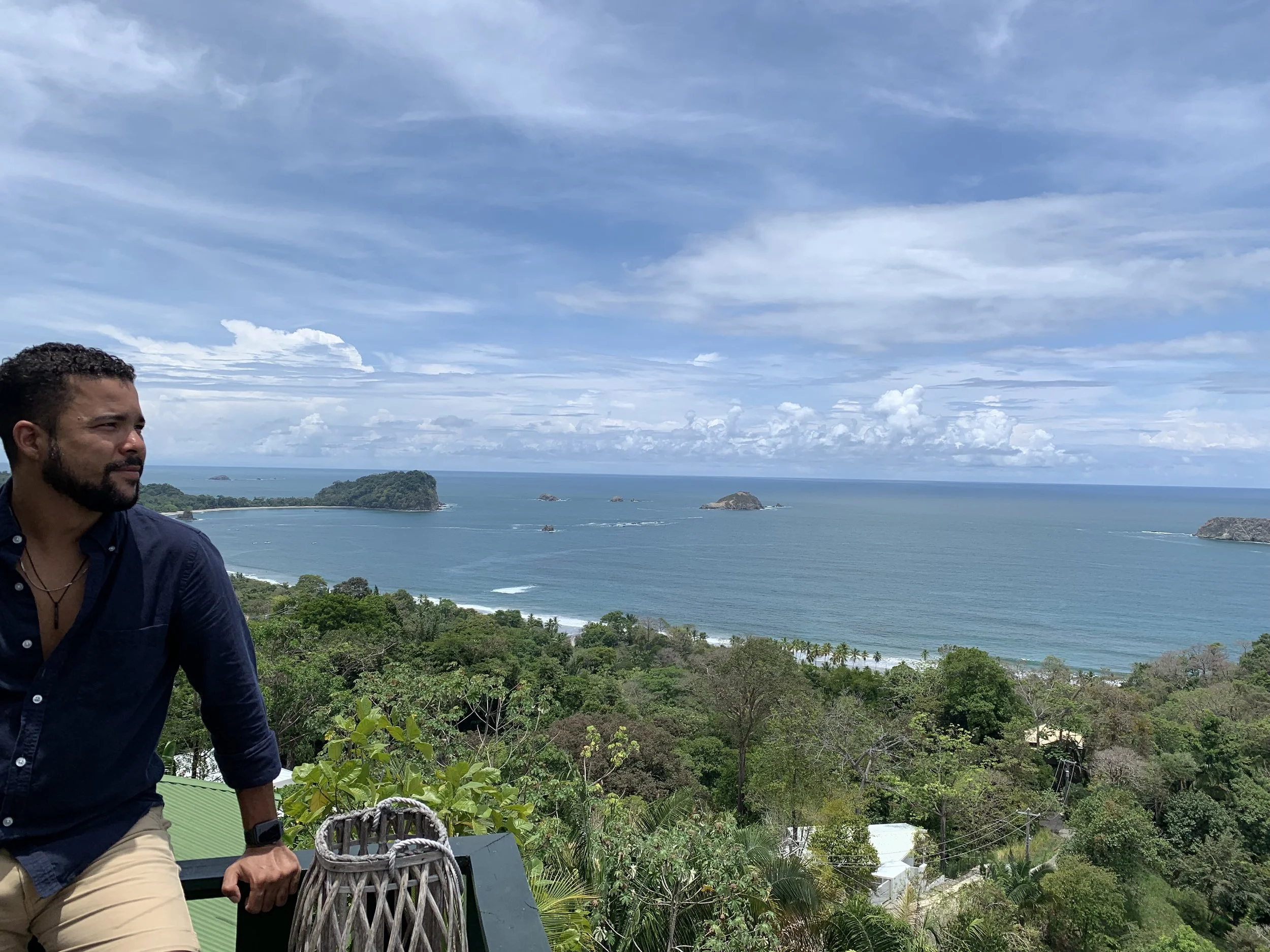
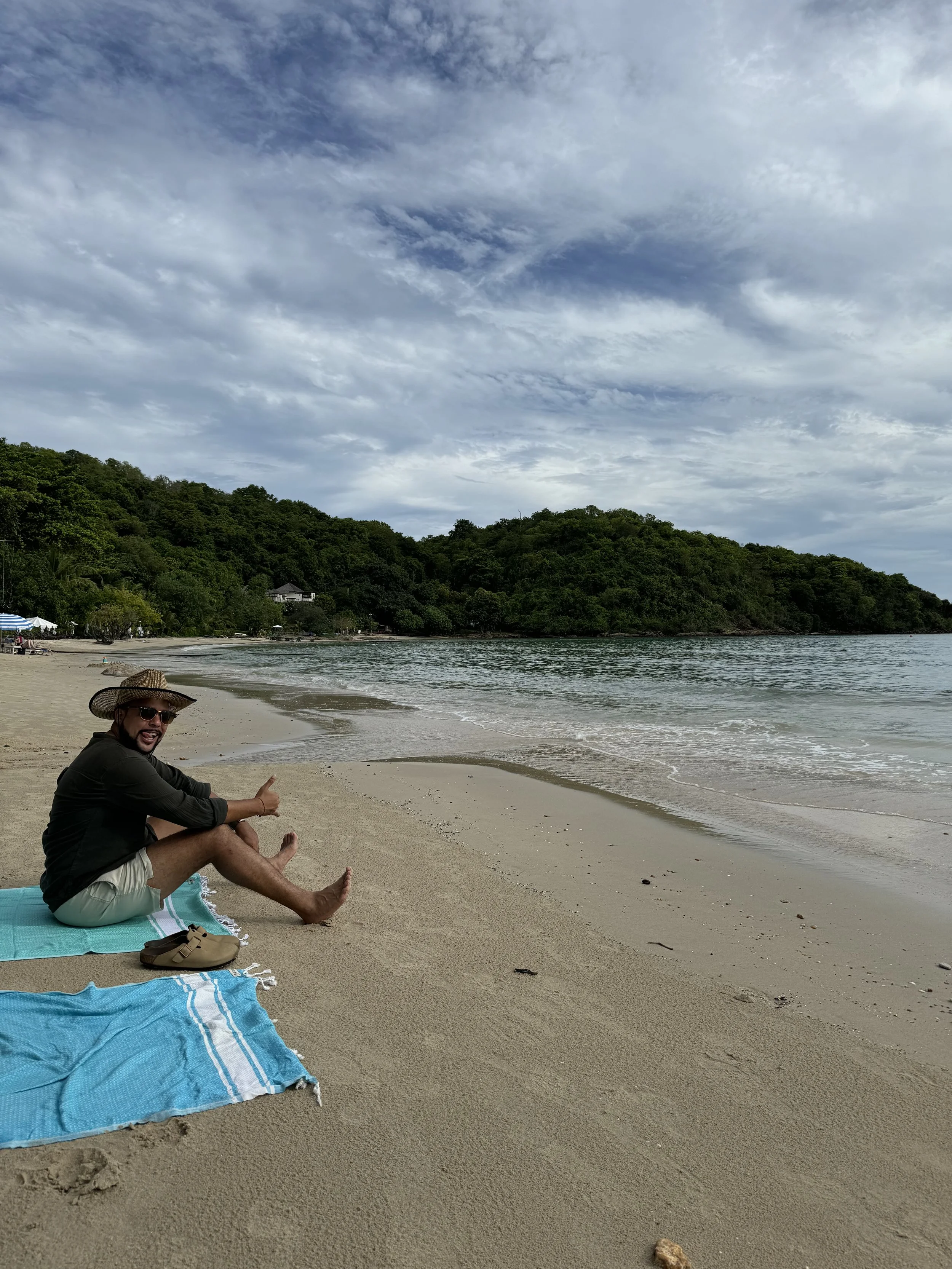
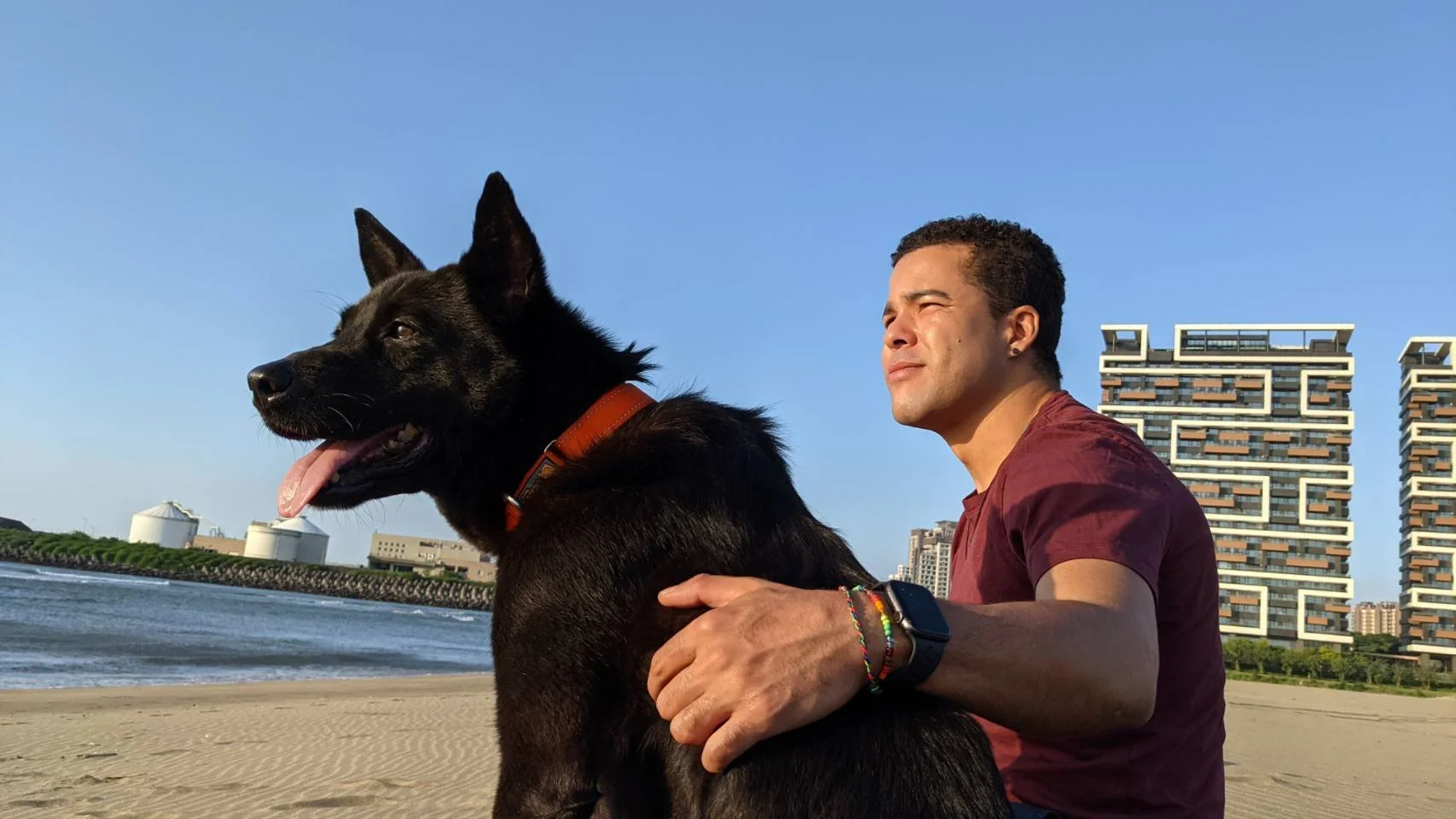
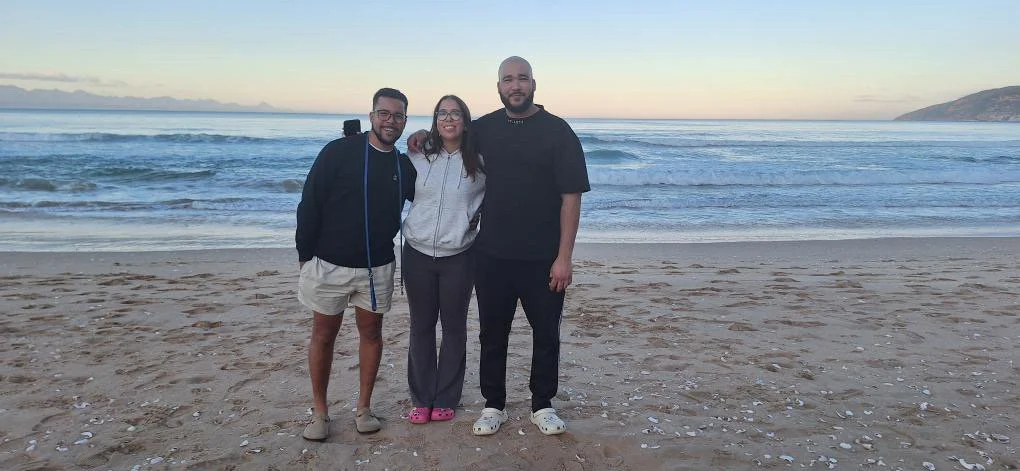
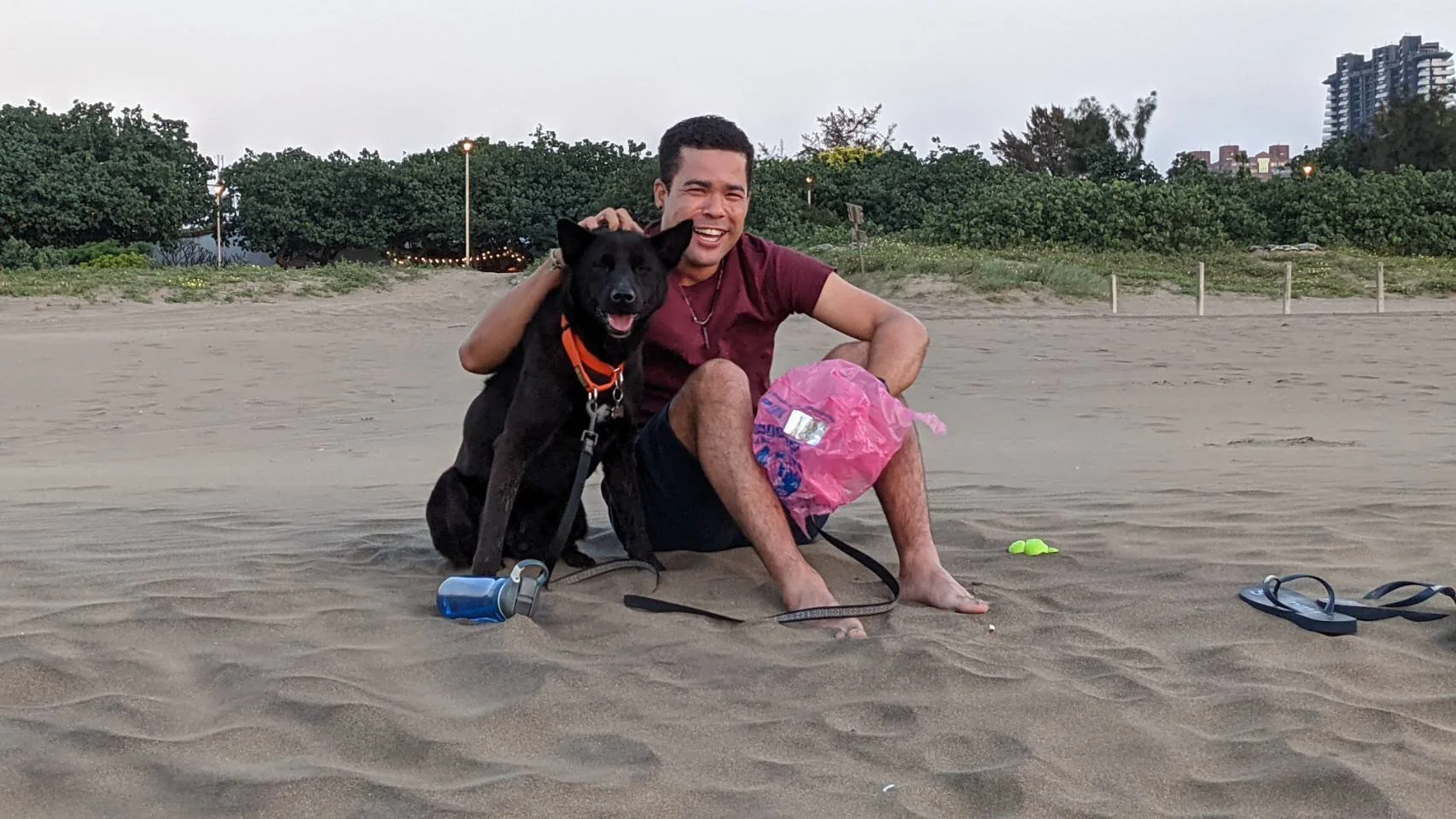
Stealing as much sun as possible — preferably on a beach
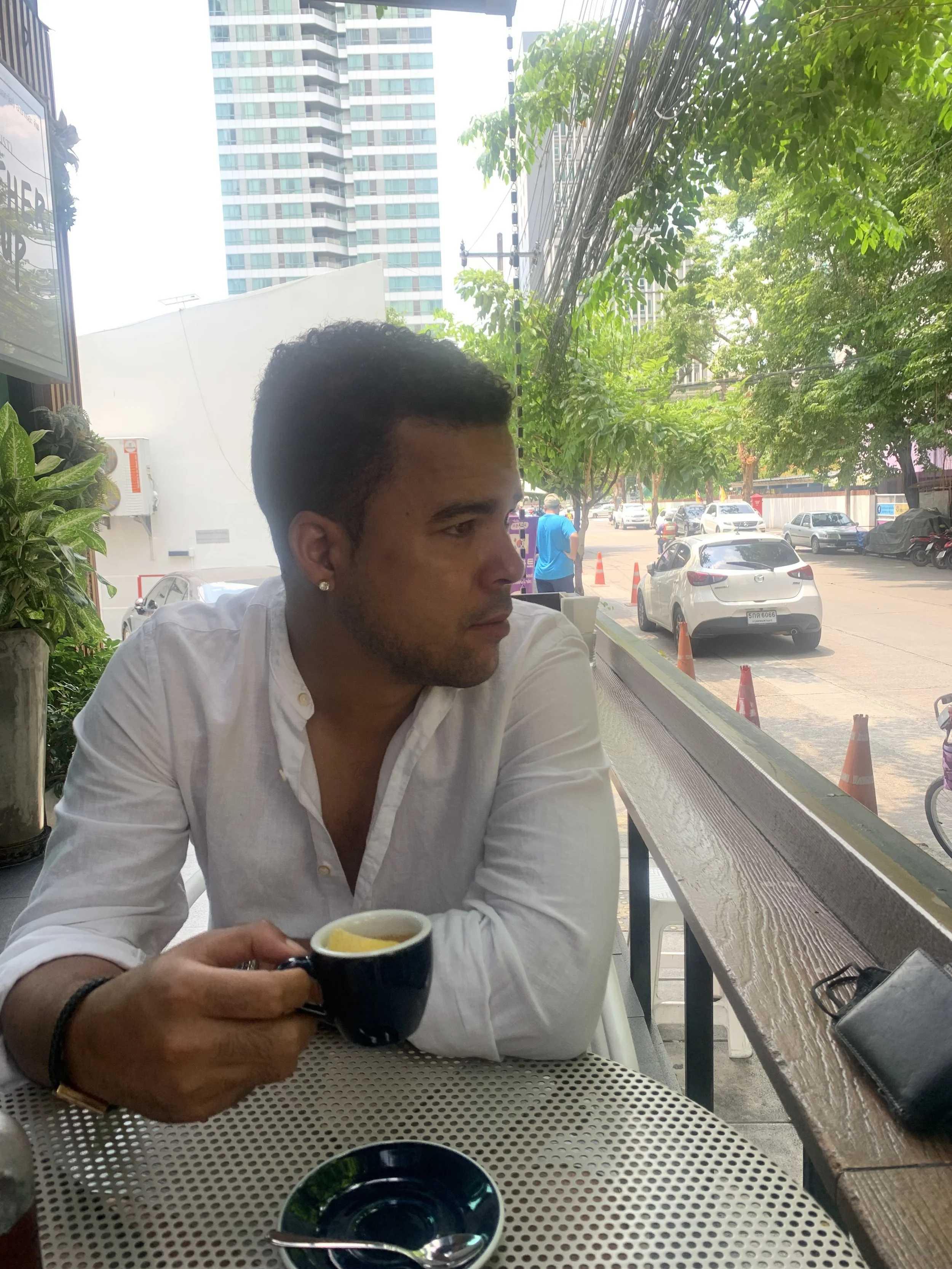
Enjoying an espresso or long black (no milk, no compromises)
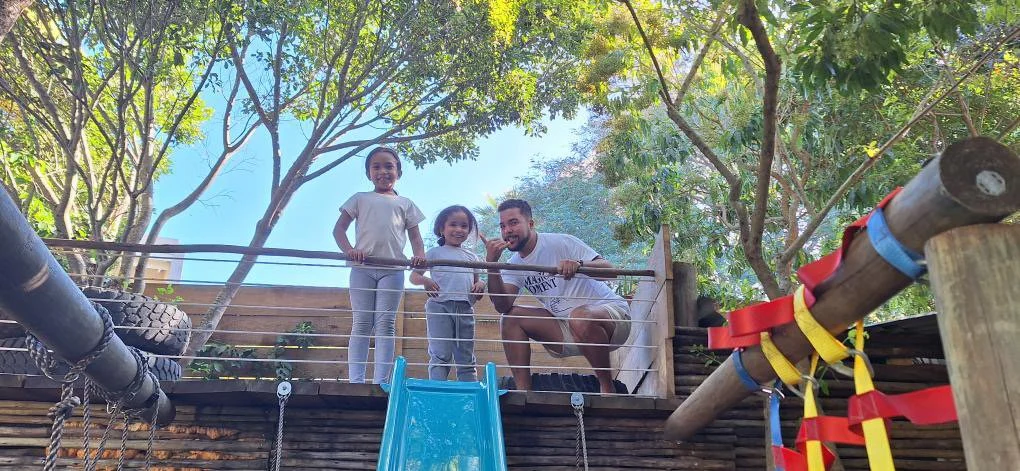
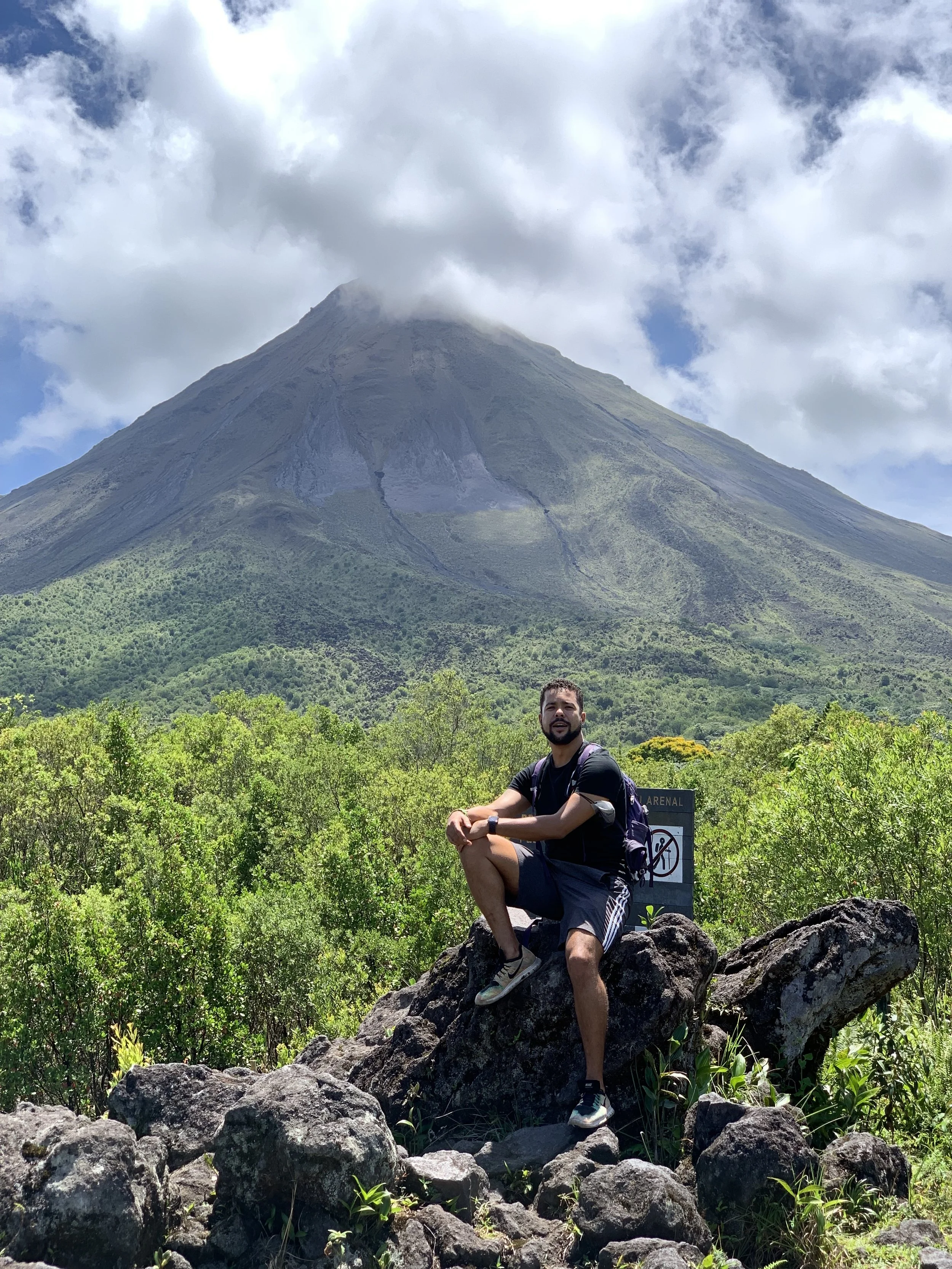
Saying yes to something new — a skill, a place, or a way of seeing

What are you going to do with all your futures?
If you’d like to work on that question together, get in touch.